
Review: Centroeuropa

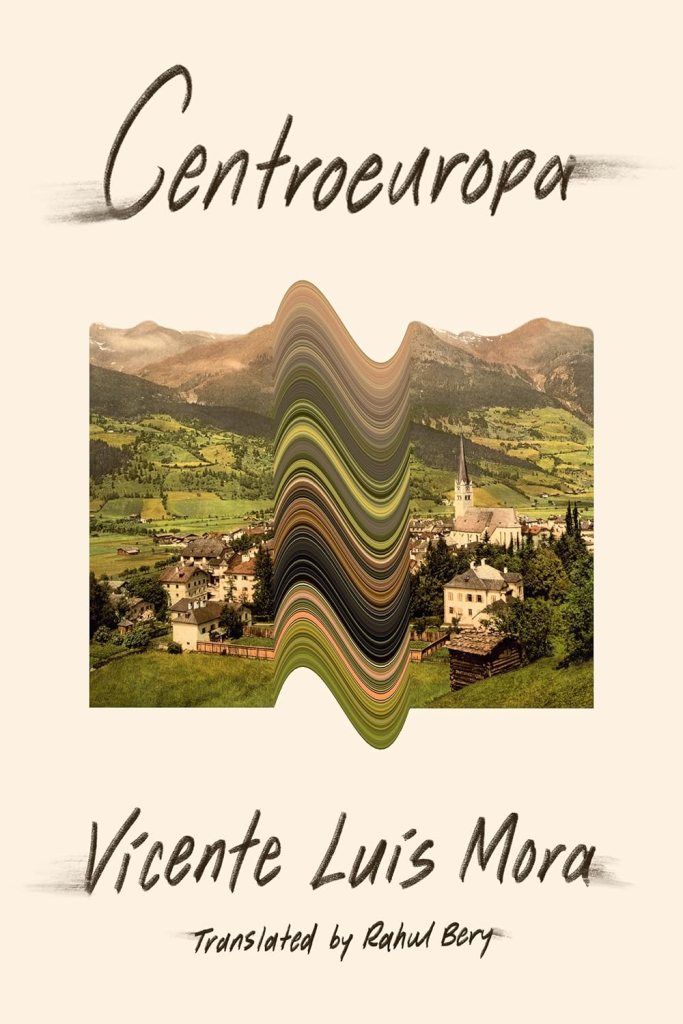
Title: Centroeuropa
Author: Vicente Luis Mora
Translator: Rahul Bery
Pages: 192
Release: March 10, 2026
Awards: National Book Award for Translated Literature shortlist (2026)


A wonderfully strange tale with an incredibly endearing protagonist. Centroeuropa centers on Redo Hauptshammer, the first free farmer to settle in a small Prussian village beside the Oder River. While digging a plot for his recently departed wife, Redo unearths groups of frozen dead soldiers from conflicts past and seemingly yet to come. Redo erects walls, both literal and figurative, to keep his discovery and his own secrets from the quirky cast of townsfolk inhabiting the surrounding hills.

Redo recounts the whole ordeal in his charming and often unreliable manner, complete with a sprinkling of the fantastical: a local witch who can see the future, a giant of fluctuating size, and Redo’s ever-expanding collection of frozen bodies.

The novel confronts the thornier edges of progress while quite literally digging up the past. History clings stubbornly to Redo’s plot of land, leaving him yoked to the past even as he struggles to cultivate a new life.

If you want a companion story (also in translation), this time from the perspective of a frozen corpse who thaws out, I recommend Strange and Perfect Account from the Permafrost.

★★★★
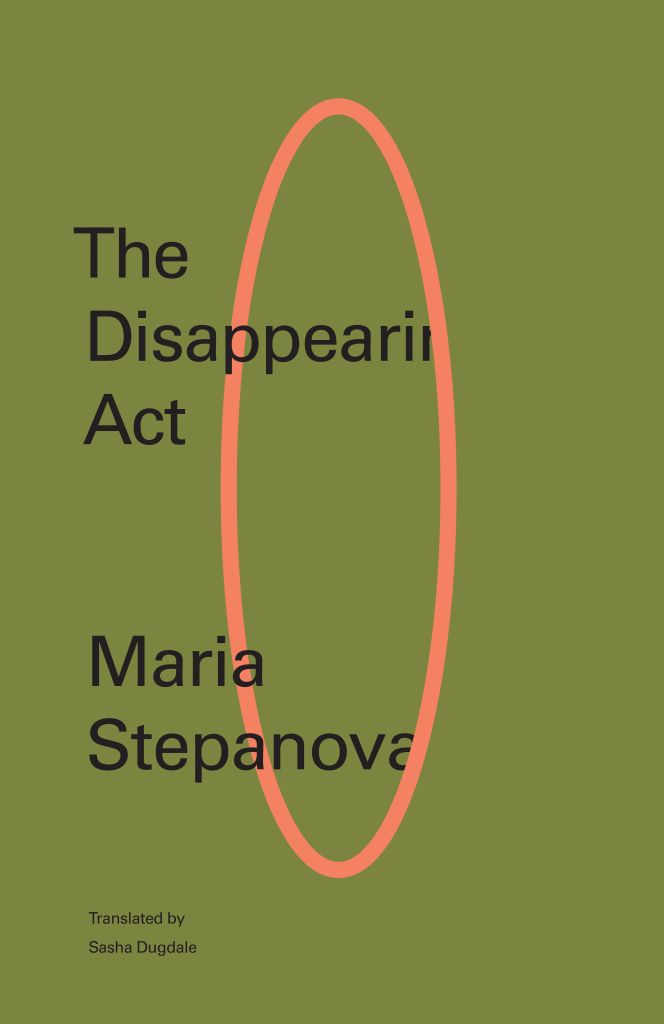
Review: The Disappearing Act

Title: The Disappearing Act
Author: Maria Stepanova
Translator: Sasha Dugdale
Pages: 144
Release: February 17, 2026
Awards: National Book Award for Translated Literature longlist (2026)


The travelogue of a disaffected transplant who leaves her country behind physically, even as her sense of self remains firmly ensconced there—a vestigial appendage of Mother Russia, or “the beast,” the mostly unnamed country whose actions bring her shame and guilt. “The only way to get rid of the beast is to get rid of herself,” Stepanova surmises.

I found this quite engaging and sharp in the way M works through her observations about the world and what is happening inside her own head, all while maintaining a gauzy, dreamlike narrative quality. But that interiority also makes for an intentionally unfocused narrative. M’s thoughts spin far and wide, occasionally mesmerizing in their strange associations but not always holding my attention as they drift further afield.

Finally, proof that running off to join the circus is sometimes the best course of action when trying to escape your past!

★★★

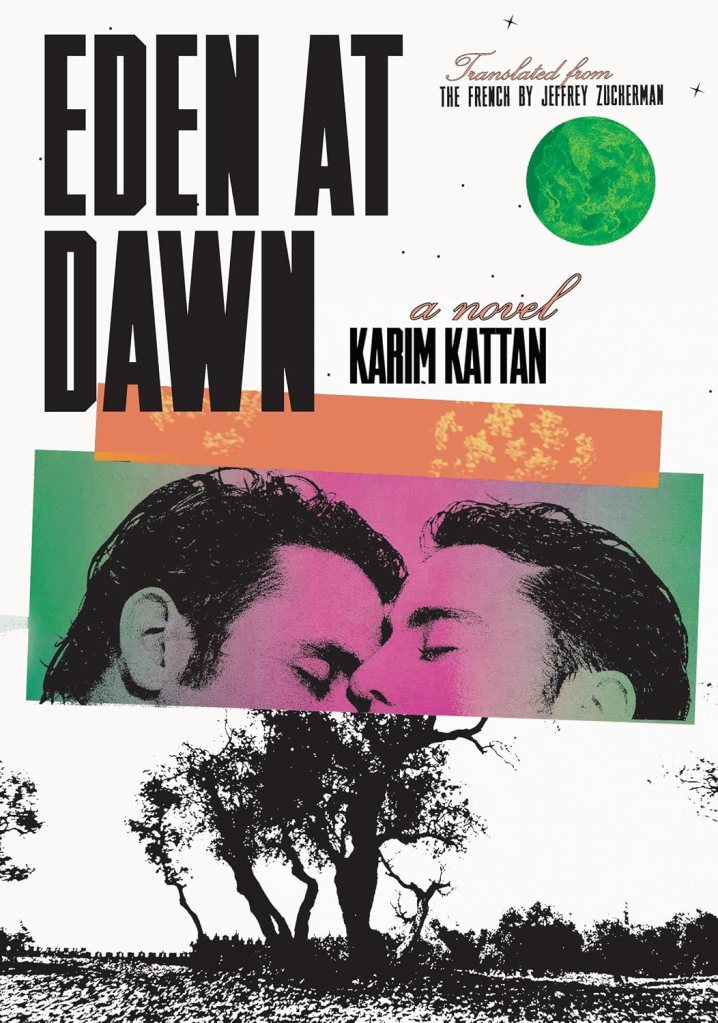
Review: Eden at Dawn

Title: Eden at Dawn
Author: Karim Kattan
Translator: Jeffrey Zuckerman
Pages: 288
Release: September 22, 2026
Awards: National Book Award for Translated Literature longlist (2026)


A love that transcends borders and curfews and occupation and a massive, summers-long sandstorm.

Karim Kattan’s writing, coupled with Jeffrey Zuckerman’s translation, makes for pure poetry. Told from the perspective of the sky—our cheeky and playful narrator—the story is unwieldy and unconventional. The sky is enamored with Isaac and Gabriel, seeking them out in every nook and cranny under its domain in order to bring their story to life.

It’s an intensely felt love story imbued with magic and wonder, where it’s often difficult to distinguish reality from fable.

I loved the way Kattan plays with color to enliven an undersaturated, sandswept world. Rarely are things described beyond simple reds, blues, and greens, but the frequency and repetition of these colors in different combinations consistently conjure vivid and lively imagery.

It caught me off guard in the best possible way, and even when its unconventional approach didn’t entirely work for me, its beauty and emotional pull kept me hooked throughout.

★★★¾

My thanks to Edelweiss+ and the publisher for providing an advanced copy in exchange for an honest review.