Top 10 Books of 2024


10. In Universes

by Emet North

An absorbing exploration of a kaleidoscopic set of parallel worlds – delving into trauma, grief, and the complexities of healing from our fractures. 

North’s writing is engaging and imaginative in the ways it plumbs the depths of Raffi’s psyche and their search for belonging. As the kaleidoscope turns, each subsequent world spins off its axis. Details change, relationships flip, and roles reverse, but some version of Raffi remains a constant amidst the swirling chaos.

I really enjoyed my time immersed in the pages of In Universes. It’s a compelling and vivid read bound to pull you into its multiversal web.

FULL REVIEW

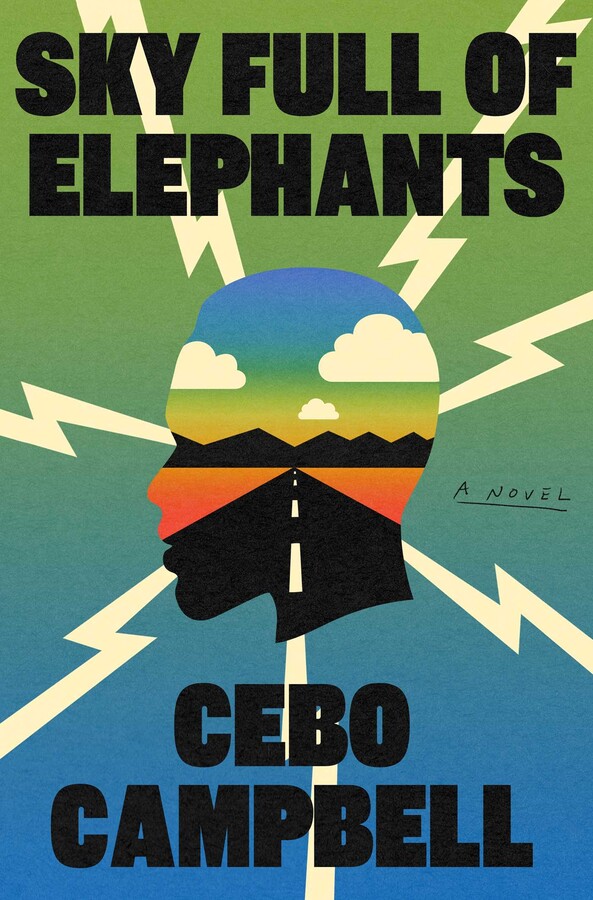
9. Sky Full of Elephants

by Cebo Campbell

A bold, high-concept premise brought into sharp focus by Cebo Campbell’s lively and vibrant prose…I really enjoyed Campbell’s writing style. It is lively and flows smoothly from page to page, making it a true pleasure to read. It effortlessly conveys the complexities of the new world and the complicated feelings of the characters that inhabit it.

FULL REVIEW
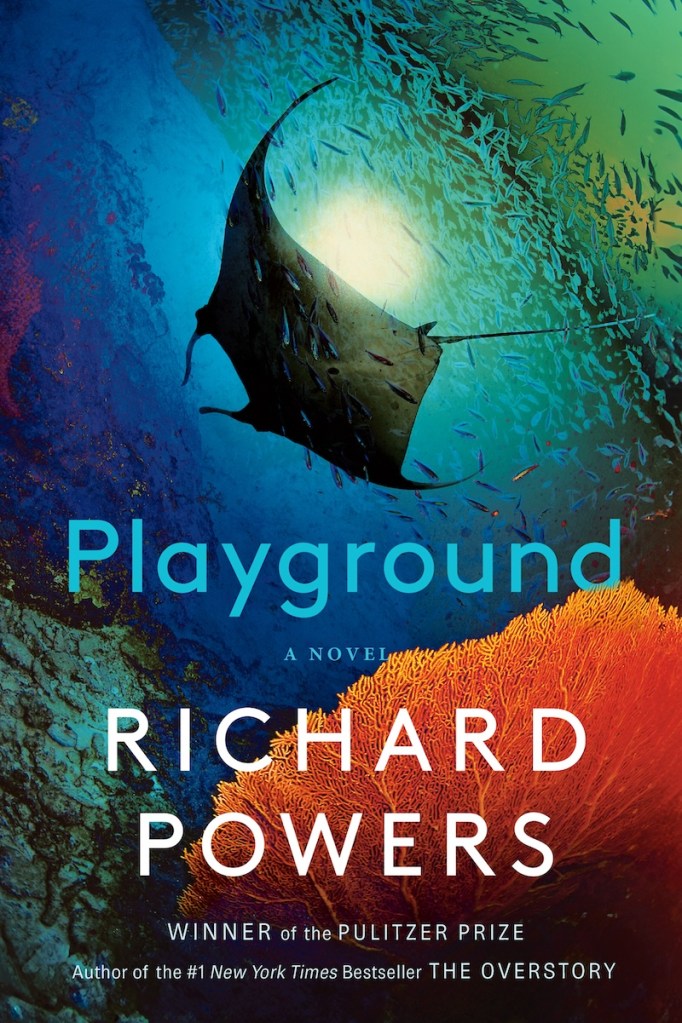
8. Playground

by Richard Powers

A love letter to the ocean and its hidden depths. Much like The Overstory, Powers employs astounding reverence for one of our most complex and abundant natural resources.

Speculative fiction can hold up a mirror to our current moment — extrapolating, distorting, and ultimately exploring the ripple effects of what our future could hold. Playground succeeds in doing just that as the plot converges and collides with the dawn of the AI age in surprising ways. On those marks alone, it’s a winner. It’s elegantly crafted and consistently engaging.
FULL REVIEW

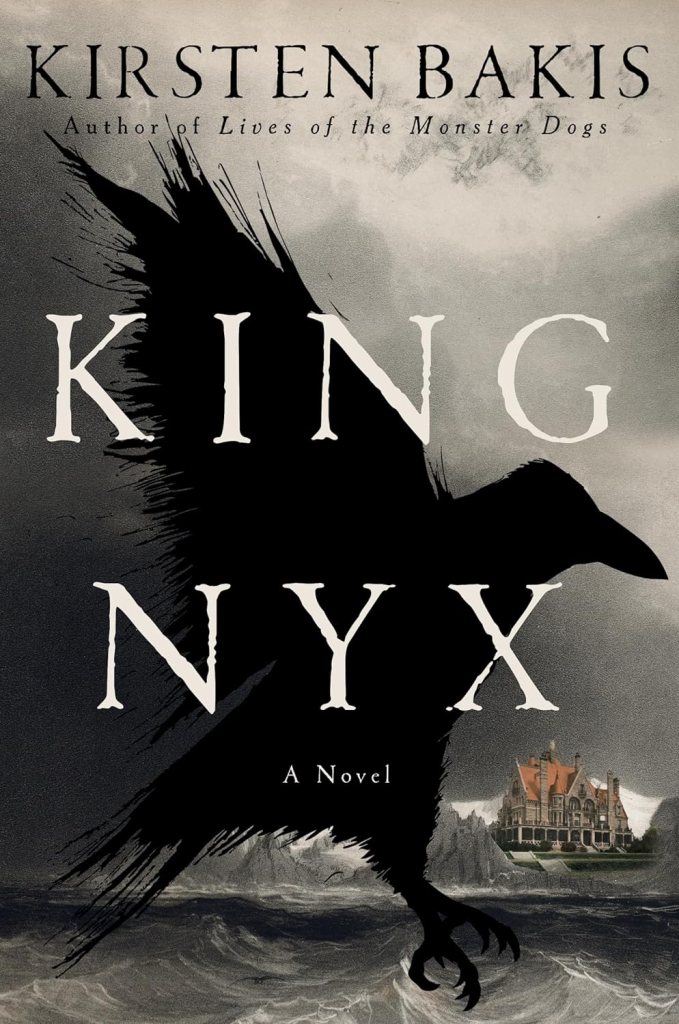
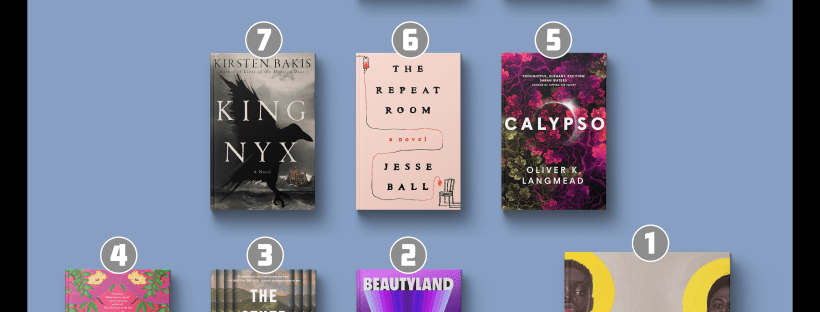
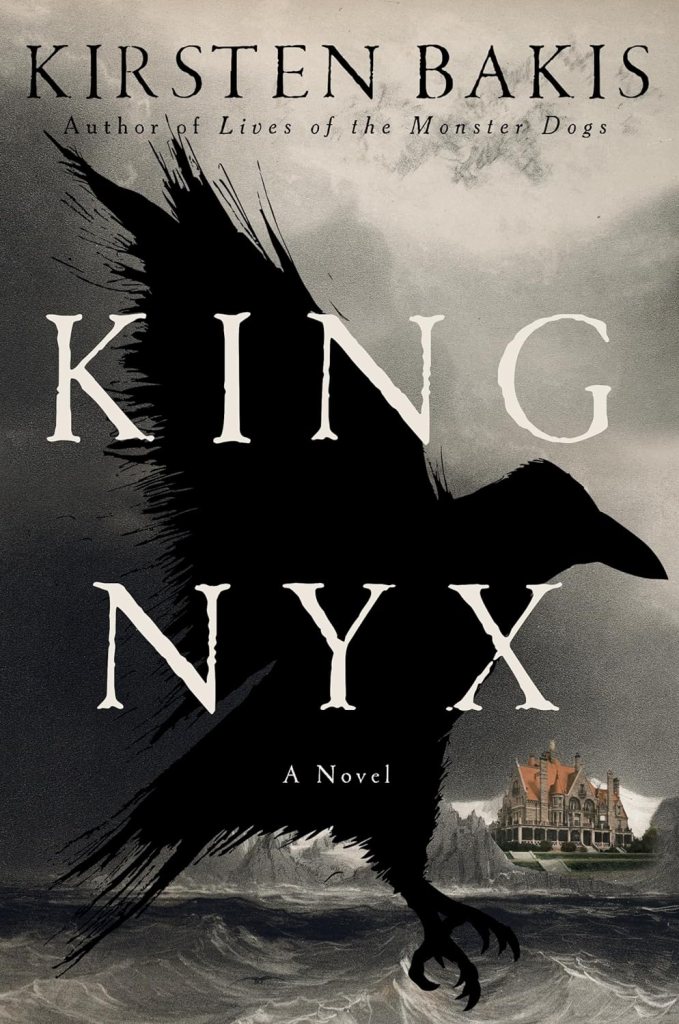
7. King Nyx

by Kirsten Bakis

A tightly woven and haunting gothic mystery that left me supremely satisfied.

A creepy island, a reclusive benefactor, and three young girls vanished into thin air. If those ingredients weren’t enough to hook you, the evolving mystery at the heart of the book does a tremendous job of pulling you deeper and deeper into the abyss as important answers always seem tantalizingly out of reach.

It’s more eerie than it is scary, but Bakis sets the atmospherically rich and period-specific tone incredibly well, as the dialogue and imagery effectively evoke the the haunting quality that brings the plot to life.

FULL REVIEW

Our interview with author Kirsten Bakis


6. The Repeat Room

by Jesse Ball

A searing and harrowing portrait of the criminal justice system of a dystopian future. Utterly enthralling and thought-provoking.

Ball spends the first act setting the stage before delivering the knockout gut-punch in the second half and never letting you get back up.

Although this left me with more questions than answers, I was utterly enthralled the entire time. I’m excited to hear what others think about this book as the story is certainly not for the faint of heart, but raises interesting questions about the state of our current justice system, capital punishment, and how our singular perspective limits our perception of those around us.

FULL REVIEW
5. Calypso

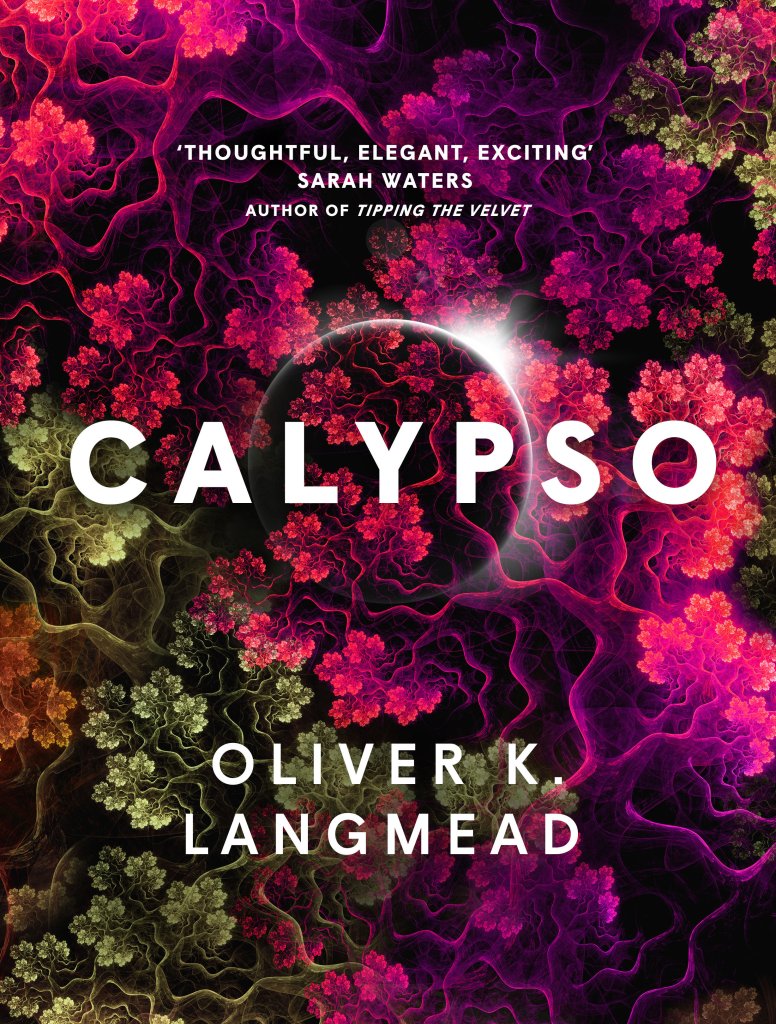
by Oliver K. Langmead

A dazzling feat of form and function. 
The care in the structuring is evident. 
The story itself is compelling and well told. 

I loved this – don’t let the verse form scare you away, as it doesn’t take long to adjust to, and it adds to the atmosphere and tone of this mythic tale. Some may bemoan style over substance here, but I found the underlying story to be fascinating in its own right, and I was very invested in the outcome.

FULL REVIEW

4. Rakesfall

by Vajra Chandrasekera

Surreal, lyrical, beautiful, haunting – featuring a heady mélange of narrative forms and storytelling styles – Rakesfall is an evocative epic poem of a novel. 

It’s impossible to distill Vajra Chandrasekera’s sprawling opus into any short plot synopsis…Chandrasekera has cemented himself as a must-read author and a bold new voice in speculative fiction.
FULL REVIEW

3. The Other Valley

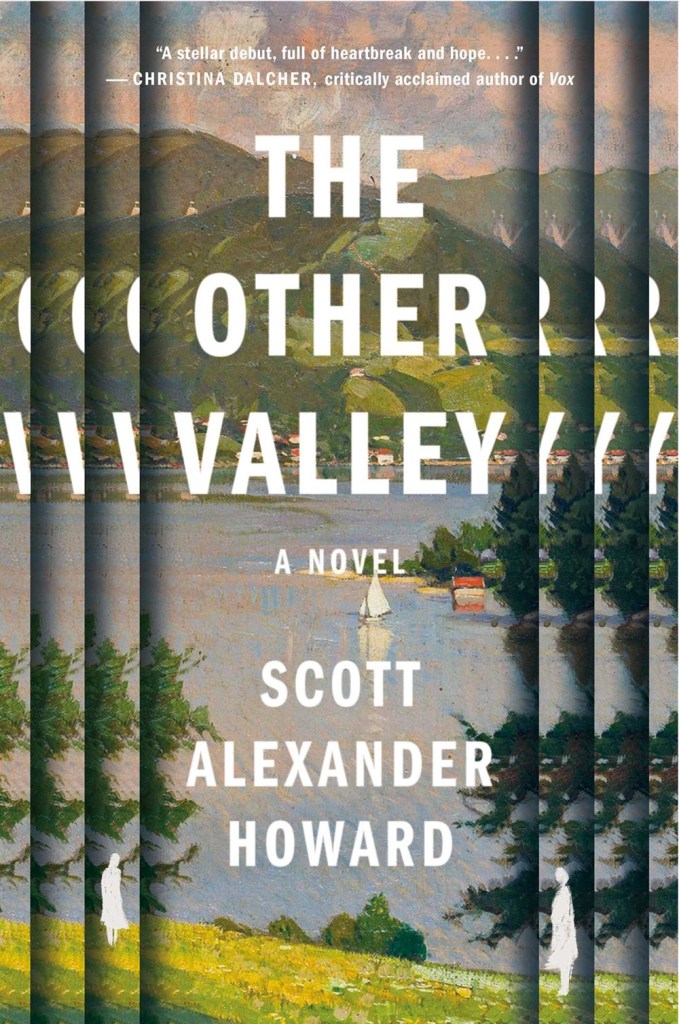
by Scott Alexander Howard

This is a quiet gem of a novel. Scott Alexander Howard takes a unique premise and executes it beautifully – never relying too heavily on his fantastical plot device to convey young Odile’s heartfelt story…a thought-provoking and wistful tale that I, for one, greatly enjoyed.

FULL REVIEW

2. Beautyland

by Marie-Helene Bertino

Bertino skillfully dissects the alien nature of growing up and the complexities of human existence with dry wit, deadpan observational comedy, and incisive insights into life’s little absurdities.

This is a rare book where the concept and execution are both pitch perfect. Even if you dropped the fact that the main character is (oh by the way) an alien, this would still be a wonderful coming of age story. The alien angle is just gravy that Bertino plays with to great (tragi)comedic effect. Her writing is heartfelt, deeply funny, and without a whiff of cynicism about it. I loved this and can’t recommend it highly enough. 

FULL REVIEW
1. Ours

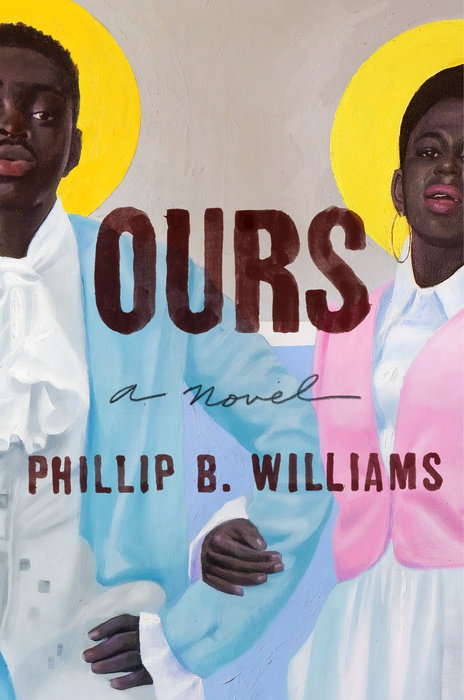
by Phillip B. Williams

An absolute masterclass in storytelling. Ours is a tour de force and one of the best novels I’ve read in ages.


I cannot say enough good things about Ours, an epic historical fantasy set in an enchanted town named Ours that serves as a safe haven for freed slaves. Told over four decades, Phillip B. Williams charts the plight of Ours and its inhabitants as they experience the challenges and triumphs of being free and safe amidst a still-hostile world. It’s epic in scope, dense and demanding, but it’s extremely rewarding. 

Williams is a poet and that becomes abundantly clear the more time you spend immersed in the book. Each sentence and paragraph is so beautifully crafted and it was a pleasure to luxuriate in his words. Please do not be scared away by the high page count as each and every page is infused with magic, wonder, and heart.

FULL REVIEW

Review: The City and Its Uncertain Walls

Title: The City and Its Uncertain Walls
Author: Haruki Murakami
Translator: Philip Gabriel
Pages: 464
Release: November 19, 2024


Our main character inhabits two parallel worlds—one is the “real world,” and the other is a “dream world” reminiscent of Susanna Clarke’s Piranesi: a nameless city with labyrinthine streets that feels disorienting yet mesmerizing.

The story is told in an understated and straightforward way, with little drama but plenty of pleasant imagery. Some elements felt downright cozy, though they lacked significant dramatic heft. The main character grapples with existential questions about his inner worldview and his sense of self, which are represented through the parallel worlds he experiences. Is the walled town a construct of his mind? A physical manifestation of the complex bond he shared with his first love? Who’s to say?

Murakami abandons the eponymous city for the “real world” early on, and the farther the narrative distances itself from that place, the harder it becomes—for both the main character and the reader—to return to what we once remembered. The plot clumsily attempts to weave these threads and worlds back together, but the resulting knot felt unsatisfying to me.

Many reviews have noted that Murakami has told similar stories more effectively in the past, so surely this is not the ideal book to start with as a Murakami neophyte—but here we are. I suspect I would connect better with his earlier works, as his writing and style resonated with me, but the story itself felt half-baked.

★★★

My thanks to the publisher and NetGalley for an advanced reader copy in exchange for an honest review.

Review: Absolution

Title: Absolution
Author: Jeff VanderMeer
Pages: 443
Series: Southern Reach #4
Release: October 22, 2024


Crossing the border into Area X again feels like slipping back into a strange, hypnotic dream.


A decade in the making, Absolution is the fourth installment in Jeff VanderMeer’s Southern Reach “trilogy.” Thankfully, this isn’t an Indiana Jones 4 situation—Southern Reach purists won’t have to hold their noses and pretend this story doesn’t count as canon. Instead, it complements the original three novels nicely, both in tone and by further expanding the mysteries of the Forgotten Coast without feeling like a tacked on, cash grab.

While you won’t find fan service or tidy answers to long-standing questions, you will find a unique story that builds on the lore of Area X in exciting ways. The book is divided into three distinct sections, each offering its own flavor. Your mileage may vary, but for me, Part 1 stood out: Spooky, ethereal, and steeped in disquieting mystery, the story unfolds through captivating first-person journal entries. Part 2 is a slower, more meandering spy tale, while Part 3 goes fully off the rails—VanderMeer at his most unhinged, with intense, creative flourishes. The volume knob is turned up to 11 a bit too long for my liking, but others will find this grand VanderMeerian fireworks show well worth the price of admission.

If you’re new to the series, you will find yourself a bit lost starting here. Even so, VanderMeer’s sharp, electric prose makes it a journey worth taking for anyone craving some madcap science fiction fare. Much like the original trilogy, Absolution isn’t for everyone. Not all of it resonated with me, but the highs are well worth the ride, and this installment is a worthy addition to an already iconic series—which we can now safely call the Southern Reach quartet, without reservations.

★★★¼

My thanks to the publisher for an advanced reader copy in exchange for an honest review.

Review: Playground

No human being knew what life on Earth really looked like. How could they? They lived on the land, in the marginal kingdom of aberrant outliers. All the forests and savannas and wetlands and deserts and grasslands on all the continents were just afterthoughts, ancillaries to the Earth’s main stage.

Title: Playground
Author: Richard Powers
Pages: 400
Release: September 24, 2024


A love letter to the ocean and its hidden depths. Much like The Overstory, Powers employs astounding reverence for one of our most complex and abundant natural resources.


Speculative fiction can hold up a mirror to our current moment — extrapolating, distorting, and ultimately exploring the ripple effects of what our future could hold. Playground succeeds in doing just that as the plot converges and collides with the dawn of the AI age in surprising ways. On those marks alone, it’s a winner. It’s elegantly crafted and consistently engaging, but it never fully won me over.

The narrative ebbs and flows between characters and timelines, with each thread carefully fleshed out and fully realized. My hope that these individual strands would tightly weave back together in the end was not to be. Instead, the ending left me puzzled. I had to consult with other readers and do a careful re-read of the final portion of the book to understand just what transpired. And still, I’m not sure. This may be an issue of comprehension on my end, so I look forward to seeing what others think upon the book’s release. That said, I genuinely enjoyed reading Playground, and I believe many others will find it just as captivating.

★★★★

My thanks to the publisher and NetGalley for an advanced reader copy in exchange for an honest review.

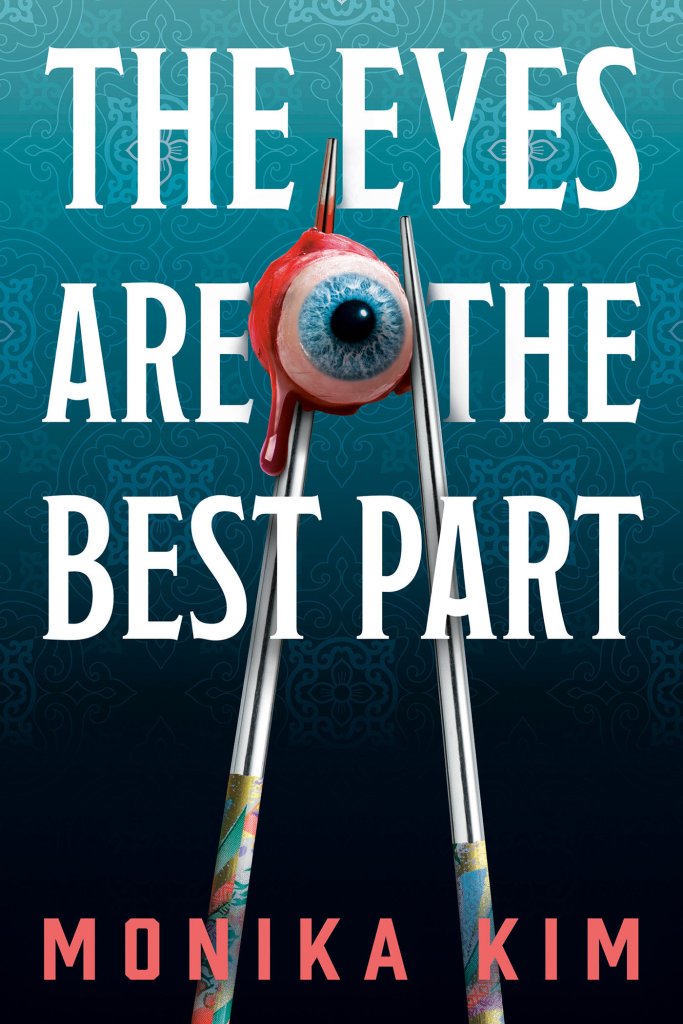
Review: The Eyes Are the Best Part

Title: The Eyes Are the Best Part
Author: Monika Kim
Pages: 288
Release: June 25, 2024


Feast your eyes on this…a young woman with an insatiable hunger for human eyeballs. Truly revolting and captivating in equal measure.


Not for the squeamish nor the faint of heart, The Eyes are the Best Part draws us into Ji-Won’s downward spiral from a floundering student with family troubles to a full-on psychotic murderous madwoman by journey’s end. It’s very satisfying, and I found myself rooting for Ji-Won even as her psyche unravels. The more she indulges in her worst impulses, the stronger her will becomes. 

The abrupt ending left me wanting more, though. There was more meat on the bone here to explore, and it felt like things were tidied up too quickly and without enough fanfare. Perhaps a sequel is in the offing?

★★★¼

My thanks to the publisher and Edelweiss for an advanced reader copy in exchange for an honest review.

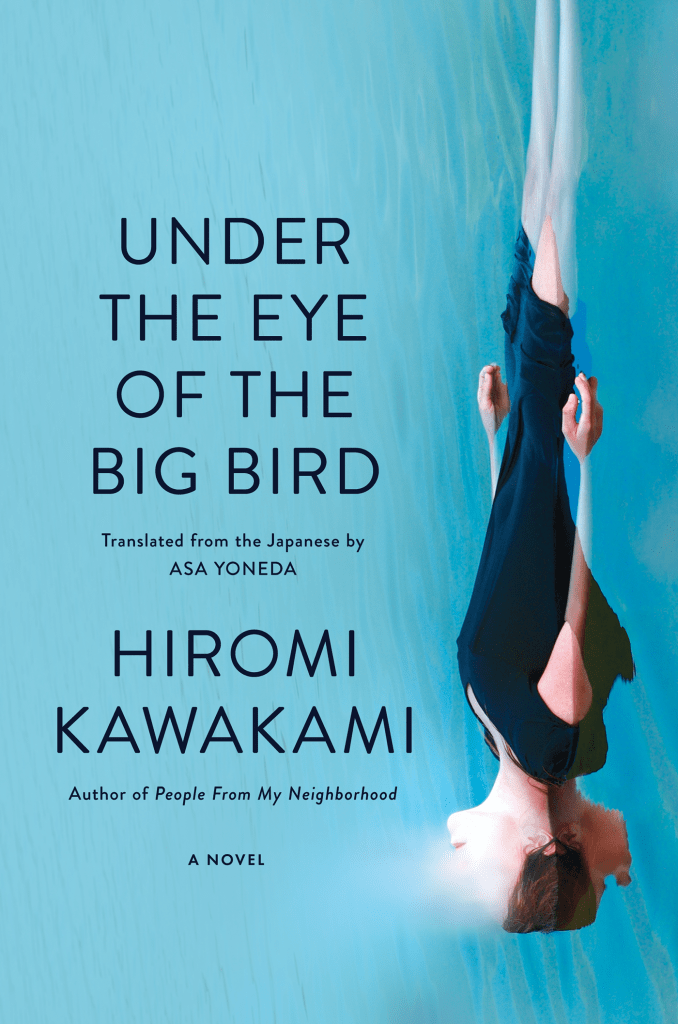
Review: Under the Eye of the Big Bird

Title: Under the Eye of the Big Bird
Author: Hiromi Kawakami
Translator: Asa Yoneda
Pages: 282
Release: September 3, 2024


An imaginative and disquieting take on the future of humanity. An entrancing read.


This was a fascinating read. In a world where humanity is nearing extinction, humans reform into small societies across the globe in a bid to survive, while mysterious and potentially malevolent forces guide them.

The timeline is purposely vague and disorienting, with hundreds or thousands of years passing from one chapter to the next. The aim is to see the broader strokes of the survival effort, but it kept me from fully connecting with any single character or society. 

While the pieces never fully clicked into place for me, I enjoyed the entire ride. Kawakami’s writing (via Asa Yoneda’s translation) is quite moving as it conveys a subtle beauty to the remade world. Fans of Sequoia Nagamatsu’s How High We Go in the Dark will surely find familiarity in form and function here.

★★★½

My thanks to the publisher and Edelweiss for an advanced reader copy in exchange for an honest review.

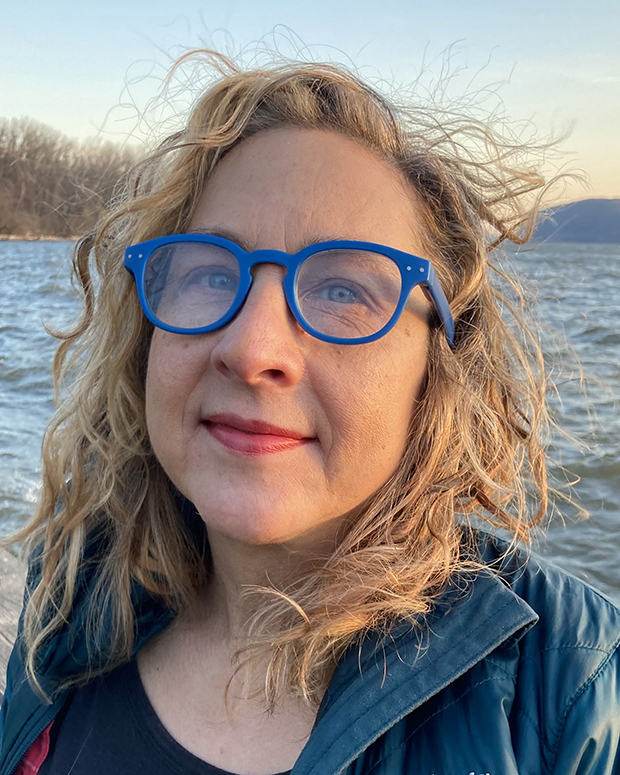
Interview: Kirsten Bakis, author of King Nyx


The Speculative Shelf is very excited to welcome Kirsten Bakis to the blog to discuss her brilliant new novel, King Nyx (out now from Liveright Books/Norton).

You can find our review of the book here.

Publisher’s summary:
Anna Fort wants to be a supportive wife, even if that means accompanying her husband for the winter of 1918 to a remote, frozen island estate so he can finish his book as the guest of an eccentric millionaire. When she learns three girls are missing from a school run by their host, Anna realizes finding them is up to her—even if that means risking her husband’s career, and possibly her life.


Q&A with author Kirsten Bakis:

Did you have prior knowledge of the Forts before writing the book? What drew you to them, and Anna Fort, in particular?

KB: I learned about Charles Fort years ago, and he stayed in my mind because he’s such an interesting character. For years, he spent his days in public libraries combing through books and scientific and meteorological journals in search of anomalous events, carefully copying out quotes and citations by hand, and bringing them home to file in a special cataloging system in shoeboxes. He wrote long rambling books putting forth a variety of strange and mismatched theories about why these things happened. For example, he suggested that red rain, or blood rain—which has been recorded in various times and places throughout history—might be caused by gigantic creatures in outer space fighting and bleeding. Sometimes he claimed he wasn’t serious, but his distrust of the scientific establishment and desire to poke holes in its logic (which he didn’t do a very good job of) did seem serious.

So, initially, I thought I would like to write a book about him. But the more I learned about his wife, Anna, the more I began to think that the really interesting story was hers. 

A lot of people thought Charles was a crank, but a few—notably the famous novelist Theodore Dreiser—thought he was a genius. As a result, Charles wound up publishing several books and making a name for himself. Today, we have hundreds of pages of his rambling thoughts, and hundreds more of notes by Theodore Dreiser for a never-published biography of Charles. But much less is known about Anna, the woman who made his writing career possible by working backbreaking domestic labor jobs and basically taking care of him in every way—and yet who was pretty silent on the topic of what she thought of his books. 

Dreiser, in his notes about a dinner he had with the Forts, dismissed her as being unable to understand her brilliant husband, and characterized her as a woman who “cannot think.”

She had once wanted to be a singer, but gave that up to take a backseat to her husband’s career. I do think the two of them genuinely loved each other, that she wanted him to succeed and that he appreciated her. But I couldn’t stop thinking about what that must have been like for her, and what might have played into her decision to prioritize him and his strange, nonsensical writings, which she herself didn’t seem to buy into. What made her choose to put her own desires on hold so that he could succeed? It’s such a familiar story, such a familiar dynamic. I wanted to examine it. 

Since not much is known about Anna Filing Fort, I made up a gothic, extravagant, sort of over-the-top adventure for her—something I wish she could have had, something I wanted to give her retroactively. 

The dialogue and language choices really do a great job capturing the distinct tone and feel of the time period. How did you channel that voice?

KB: Thank you. I’m not sure how it works, exactly, but I know I spent a lot of time researching the era, and reading the works of Charles Fort and others who wrote in the early 20th century. Not so much (for this purpose) the great writers with their own precise and distinct voices, like Virginia Woolf, but more ordinary things—chatty magazine articles, interviews, and that kind of thing. But I think most of it really happens when you’re sitting down and writing and just trying to—as you said—channel something. I do think that in some way, that’s what’s happening—you’re opening yourself up to voices that aren’t exactly yours, personalities that are different from your own. I have no idea how that works. It’s something so many writers talk about. I think there may be an element of actual magic.

Was it an intentional choice to tease a big spooky mansion and then put the characters on the outside looking in for most of the book?

KB: That’s a good question! I definitely think of gothic fiction as generally taking place partly inside a big spooky mansion, and King Nyx doesn’t, for most of the book. I want to say that it was a completely intentional and logical choice, but in truth, so much of writing happens by instinct. At some point I realized that they just weren’t going to get into the house until the end. So I decided to work with that. 

I do think that it’s a story about people who don’t get to inhabit the mansion—not really. Even if some of them do live in fine houses, they’re servants, or they’re, in some way, not in the center of power, and that fact shapes their lives. They orbit men who are the center, the sun, of their own little universes, and everyone else is just moving carefully around them. That’s part of what I see the story as being about.

What’s a piece of popular media (movie/TV show/book) you could fill in this blank with – “if you like _______ , you’ll like King Nyx.”

KB: This is a hard question! It’s so hard for me to see King Nyx from the outside. Maybe to put it in more general terms: if you like gothic fiction, if you like mystery, if you like feminism, if you like stories about eccentric millionaires, and creepy dolls, and suspense, and . . . talking birds??? — then you’ll like King Nyx.

I read that you haven’t reread your breakout debut, Lives of the Monster Dogs, in the 27 years since it’s been published. Do you think you’ll keep the same distance between yourself and King Nyx now that it’s out in the world?

KB: I think I might! It can be fun to try to translate a book into a really different form, like a screenplay, for example—where you really have to make changes to make it work. So that could be a reason to revisit something. But the idea of just re-reading it again as a novel doesn’t seem interesting to me. I’ve been over every inch of it, every word and comma, so many times, and that was fun, but I feel like it’s time to go onto other things.

What’s the last great book you read?

KB: I’ve been really enjoying Tana French’s novels lately. I especially love her first, In the Woods, which I read a few months ago, and also The Secret Place. She’s so good with suspense, and just a great, accomplished craftsperson—I’ve been taking a lot of notes as I read about what she’s doing and how she’s doing it. I’ve also recently discovered Seishi Yokomizo, a Japanese mystery novelist who published a lot in the mid-20th century. Pushkin Press, in the UK, is publishing English translations of some of them now. I loved The Village of Eight Graves and Death on Gokuman Island. They’re mysteries, but they also have a kind of folk-horror feel to them, which is true of a lot of Tana French’s work as well. A mix of folk horror and mystery is something I just love as a reader. I’m currently reading Victor LaValle’s Lone Women, which is historical horror, and it’s looking like it’s going to be fantastic.

Thank you so much for taking the time to offer such incredible insight into your work. I loved reading King Nyx and I think others will too!

Review: Thirst

Title: Thirst
Author: Marina Yuszczuk
Translator: Heather Cleary
Pages: 256
Release: March 5, 2024


An evocative read that is ultimately unsatisfying in its execution. 


The prose is quite pretty, especially in Part I, which vividly depicts the tumultuous life of a 19th-century vampire lusting for blood and leaving a trail of bodies in her wake. However, Part II fails to deliver a satisfying conclusion, abruptly jumping to the present day and losing the momentum of the first half. The writing here feels stilted and uninspiring, lacking the sorrowful beauty of the first half. 

The integration of the two plotlines is awkward, and the plot sometimes reads like a series of disjointed events rather than a cohesive narrative. While vampire enthusiasts will have plenty to sink their teeth into here, this book fell short for me.

★★½

My thanks to the public library for providing me with a post-release copy in exchange for a promise that I’ll return it within 14 days. (I did).

Review: Sky Full of Elephants

Title: Sky Full of Elephants
Author: Cebo Campbell
Pages: 304
Release: September 10, 2024


A bold, high-concept premise brought into sharp focus by Cebo Campbell’s lively and vibrant prose.


A twist on a familiar formula (see The Leftovers or The Last of Us) – here, all white people walk into the sea and never return. What follows is the quest of an estranged father and daughter seeking common ground as they trek across a fundamentally altered version of America.

I really enjoyed Campbell’s writing style. It is lively and flows smoothly from page to page, making it a true pleasure to read. It effortlessly conveys the complexities of the new world and the complicated feelings of the characters that inhabit it.

An eyebrow-raising plot development in the latter half of the book recontextualizes the way the story is understood. And while certain plot beats push the boundaries of plausibility, they are grounded in the magical realism that permeates the narrative.

★★★★

My thanks to Edelweiss and the publisher for an advanced reader copy in exchange for an honest review.

Reviewer note: Anecdotally, I noticed a batch of 1-star ratings (not reviews) popping up on Goodreads for this title – presumably a blind backlash to the plot description. Please don’t make assumptions about what the book is actually about. At no point do any characters rejoice in the absence of white people. It’s not a wish-fulfillment parable about how to make the world a better place. It’s a fascinating “what-if” scenario that shines a necessary light on the unvarnished realities of the country and who controls the levers of power and influence in our society. There’s no trivialization of the subject matter and the book offers many intriguing examinations of race and racial identity. Give this book a chance, and if you can’t, don’t blindly bomb the ratings.